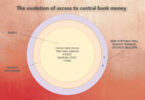

The Central Bank of Honduras has launched a two month consultation on the potential of a retail central bank digital currency (CBDC). Financial inclusion would be a key objective closely followed by cross border payments, in particular remittances.
With help from the International Monetary Fund (IMF), the central bank which is still at the CBDC research stage, published a paper on the future of money and payments.
As context, Honduras is a relatively low income country with around 60% of its almost ten million population living in poverty. In terms of financial inclusion, in 2021 just 37.85% of citizens over the age of 15 had bank accounts according to the World Bank. A significant proportion of GDP (25.9%) comes from family remittances. Hence the potential CBDC objectives of inclusion and remittances seem logical.
Article continues …

Want the full story? Pro subscribers get complete articles, exclusive industry analysis, and early access to legislative updates that keep you ahead of the competition. Join the professionals who are choosing deeper insights over surface level news.