
• Subscribe
Ledger Insights - blockchain for enterpriseBlockchain for business
  • News
  • Blockchain by industry
    • Advertising
    • Auto
    • Blockchain for Banking
    • Capital markets
    • Energy
    • Government
    • Health
    • Identity
    • Insurance
    • Legal and IP
    • Real estate
    • Retail
    • Supply chain
    • Tech-Media-Telecom
    • Travel & mobility
  • Digital currency
    • CBDC
    • Tokenized deposits
    • Stablecoins
  • Digital assets & Tokenization
Ledger Insights - blockchain for enterprise
  • News
  • Blockchain by industry
    • Advertising
    • Auto
    • Blockchain for Banking
    • Capital markets
    • Energy
    • Government
    • Health
    • Identity
    • Insurance
    • Legal and IP
    • Real estate
    • Retail
    • Supply chain
    • Tech-Media-Telecom
    • Travel & mobility
  • Digital currency
    • CBDC
    • Tokenized deposits
    • Stablecoins
  • Digital assets & Tokenization
Blockchain for Banking • News • Pro

Banking associations push back on Skinny accounts with different approaches

July 28, 2026
by Ledger Insights
federal reserve

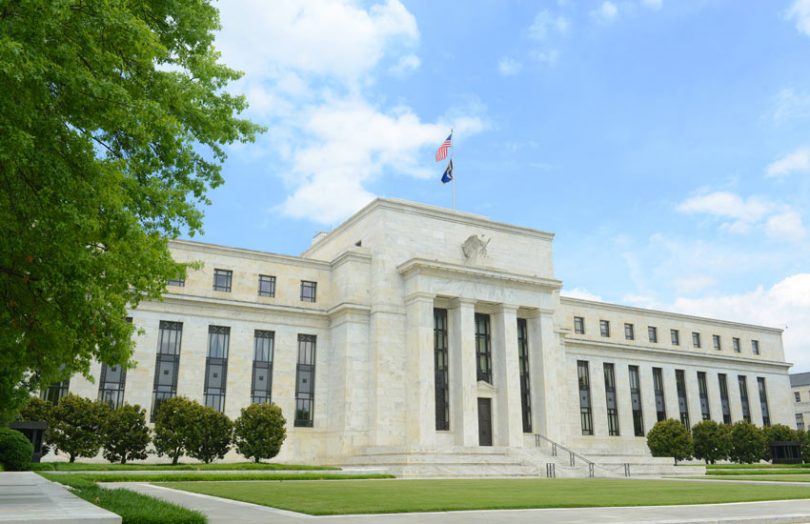
In May the Federal Reserve consulted on so-called “Skinny” Payment Accounts, a cut down version of master accounts which is highly relevant for digital asset firms. In the past few days two responses were submitted by groups of banking associations, each with a different emphasis. Both seek safeguards and look to limit the scope of Payment Accounts. A push for the Fed to publish its interpretation of which institutions are legally eligible could create challenges.

The proposed Payment Account structure enables access to certain payment systems, but comes with safeguards so it does not allow overdrafts or interest, and limits overnight balances.

The rationale behind the new account is that “Tier 3” banks which are supposedly eligible for Master Accounts were rarely granted them. In Fed Vice Chair Bowman’s words, for this category of applicant a Master Account approval has been “unobtanium”. Tier 3 banks are not federally insured. Additionally, either the bank itself has no federal supervisor, or its parent company is not overseen by the Fed. While one might think the numerous recent OCC national trust charter applications are for federally supervised institutions, they would be classed as Tier 3 unless their holding company is also subject to Federal Reserve oversight.

Article continues …

subscriber padlock

Want the full story? Pro subscribers get complete articles, exclusive industry analysis, and early access to legislative updates that keep you ahead of the competition. Join the professionals who are choosing deeper insights over surface level news.



Image Copyright: jiawangkun / 123rf
    FacebookXRedditEmailLinkedInWhatsApp

You may also like

citi

Citi plans to launch crypto custody this year

permissionless blockchains DLT distributed ledger

Singapore consortium tackles permissionless blockchain risks for APAC banks

us treasury

Treasury proposes GENIUS Act rules on payment stablecoin issuance and sale

digital RMB renminbi yuan ecny currency

Number of banks supporting China’s digital RMB expands to 30

World Liberty Trust USD1

OCC grants World Liberty Trust a preliminary trust charter, with notable smallprint

Nairobi Securities Exchange partners Tether for tokenization

Copyright © 2018 - 2026 Ledger Insights Ltd.

  • Terms and Conditions
  • Privacy and Cookies
  • Feed
  • About us
  • Contact us