
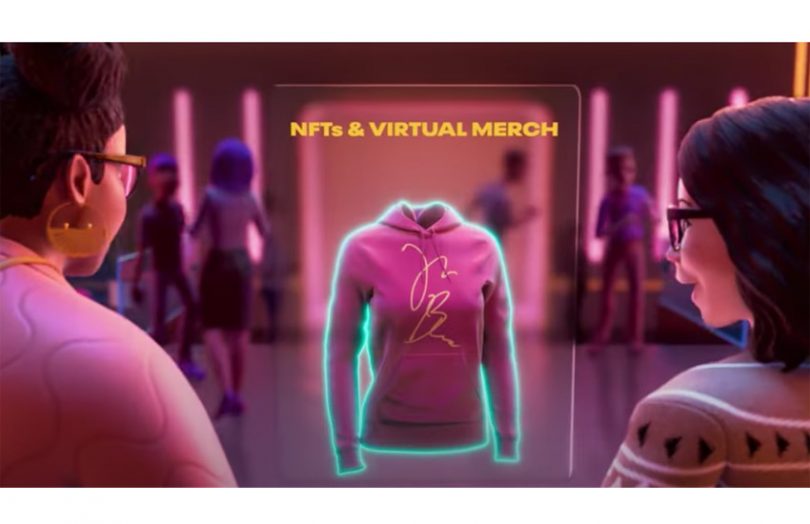
Yesterday, Facebook rebranded as Meta and Mark Zuckerberg outlined his vision of the future metaverse. It’s a topic I’m familiar with as I founded a metaverse company more than 15 years ago. Between 2004 and 2008, a string of startups and incumbents created virtual world experiences, including Google (Lively) and Sony (Playstation Home). In 2008 standards body the W3C published a metaverse roadmap. While Facebook unveiled Horizon Workrooms a couple of months back, in 2006, my startup created 3D meeting rooms for McKinsey as well as 3D stores.
So why might Zuckerberg succeed when other big names failed? Sure technology has moved on. That’s certainly a factor, but I don’t believe it’s the only one.
The survivors of the first metaverse wave, Second Life and IMVU, are a strong clue. They are both very social. An analysis of what happened to Sony’s Playstation Home also concluded its strongest feature was the social aspect.
Article continues …

Want the full story? Pro subscribers get complete articles, exclusive industry analysis, and early access to legislative updates that keep you ahead of the competition. Join the professionals who are choosing deeper insights over surface level news.