
• Subscribe
Ledger Insights - blockchain for enterpriseBlockchain for business
  • News
  • Blockchain by industry
    • Advertising
    • Auto
    • Blockchain for Banking
    • Capital markets
    • Energy
    • Government
    • Health
    • Identity
    • Insurance
    • Legal and IP
    • Real estate
    • Retail
    • Supply chain
    • Tech-Media-Telecom
    • Travel & mobility
  • Digital currency
    • CBDC
    • Tokenized deposits
    • Stablecoins
  • Digital assets & Tokenization
Ledger Insights - blockchain for enterprise
  • News
  • Blockchain by industry
    • Advertising
    • Auto
    • Blockchain for Banking
    • Capital markets
    • Energy
    • Government
    • Health
    • Identity
    • Insurance
    • Legal and IP
    • Real estate
    • Retail
    • Supply chain
    • Tech-Media-Telecom
    • Travel & mobility
  • Digital currency
    • CBDC
    • Tokenized deposits
    • Stablecoins
  • Digital assets & Tokenization
Blockchain for Banking • News

Industry pushes back on Fed “skinny” account balance cap structure

7 minutes ago
by Ledger Insights
federal reserve

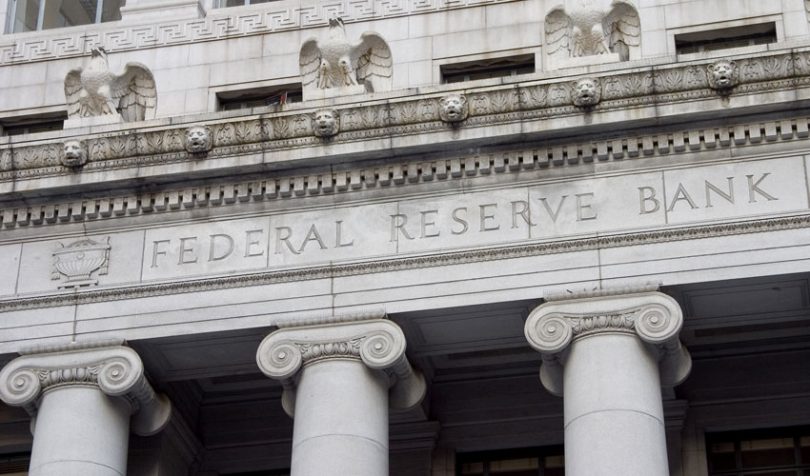
In late December the US Federal Reserve opened a request for comment on its “skinny” master account, which it refers to as a “Payment Account”, with the comment period ending last Friday. The proposal’s key features include institutions having no access to credit, balance caps, and the account holder only being allowed to use it for its own purposes, not to provide correspondent banking services.

Traditional finance institutions, digital asset banks and lawmaker Senator Cynthia Lummis all criticized the structure of the balance caps which were proposed to be the lower of $500 million or 10% of assets. The American Bankers Association (ABA) noted that balance caps should be linked to activity rather than assets. A Payment Account holder could potentially have a large volume of payments with relatively small capital. If the cap is too low this could result in payment failures which impact all banks.

Stablecoin issuer Circle largely concurred saying fixed caps risked “potentially throttling otherwise safe, prefunded settlement.” For a stablecoin holder it suggested 10% of the stablecoin supply and requested flexibility during crisis periods. Anchorage Digital, also a stablecoin issuer, preferred removal of the caps. Senator Lummis was also concerned about the caps resulting in throttling of payments, although she favored a simpler fixed cap approach.

Article continues …

subscriber padlock

Want the full story? Pro subscribers get complete articles, exclusive industry analysis, and early access to legislative updates that keep you ahead of the competition. Join the professionals who are choosing deeper insights over surface level news.



Image Copyright: sparky2000 / BigStock Photo
    FacebookXRedditEmailLinkedInWhatsApp

You may also like

china stablecoin tokenization regulation

China’s crackdown on RMB stablecoins, tokenization of RWA is not an offshore ban

stablecoin yield winners losers

Stablecoin yield: Who really wins?

tether usat stablecoin

Tether invests $100m in stablecoin issuer Anchorage Digital

broadridge tokenization

Broadridge makes big tokenization moves. To use stablecoins for repo trades

Chicago Mercantile Exchange (CME)

CME plans own coin. Shares tokenized collateral approach

Bank of England selects ten DLT projects for RTGS atomic settlement trials

Copyright © 2018 - 2026 Ledger Insights Ltd.

  • Terms and Conditions
  • Privacy and Cookies
  • Feed
  • About us
  • Contact us