
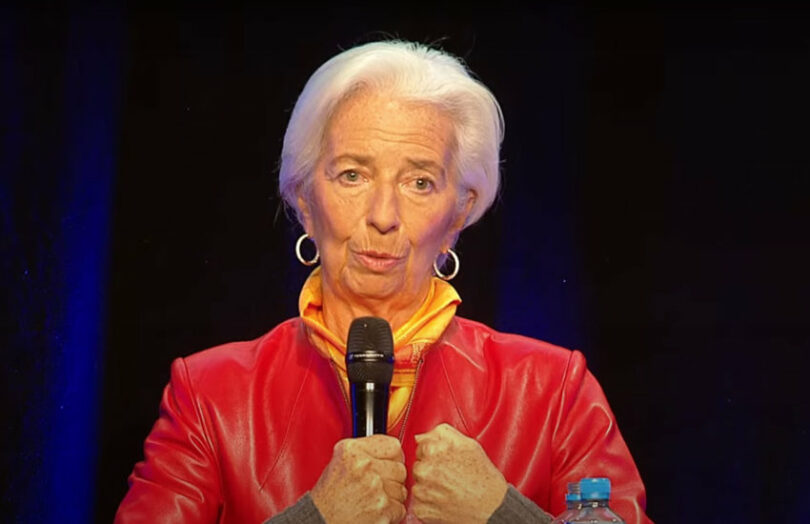
European Central Bank (ECB) President Christine Lagarde played a role in blocking the MiCA license application of Binance, the world’s largest cryptocurrency exchange, according to allegations in a Wall Street Journal (WSJ) report. In 2023 Binance agreed to pay a $4.3 billion fine after pleading guilty to breaches of the Bank Secrecy Act, the US anti money laundering law. Greece’s financial regulator, the Hellenic Capital Market Commission (HCMC), had reviewed Binance’s application to become a crypto asset service provider (CASP) and was preparing to approve it. In early June it notified the European Securities and Markets Authority (ESMA) of its intention. Within a day the mood changed.
The WSJ report alleges that a vice chair of the HCMC told Binance that President Lagarde had asked Greece’s prime minister not to approve the application, and that the regulator could not proceed without his support. A week later the HCMC told Binance the license would not go ahead. Binance withdrew its application on 24 June this year, a week before MiCA’s deadline for existing crypto firms to be licensed.
An HCMC spokesperson told the WSJ that its officials did not make the comments attributed to them and that it assessed the application independently. An adviser to Greece’s finance minister said the government played no role, describing the HCMC as an independent authority. The WSJ previously reported that ESMA was unhappy with Binance’s compliance record and had advised national regulators to block its applications.
The Lagarde news is controversial because national regulators are responsible for licensing CASPs, with ESMA playing a coordinating role. Under MiCA the ECB’s remit is limited to certain areas and does not include CASP applications by non banks.
Article continues …

Want the full story? Pro subscribers get complete articles, exclusive industry analysis, and early access to legislative updates that keep you ahead of the competition. Join the professionals who are choosing deeper insights over surface level news.