
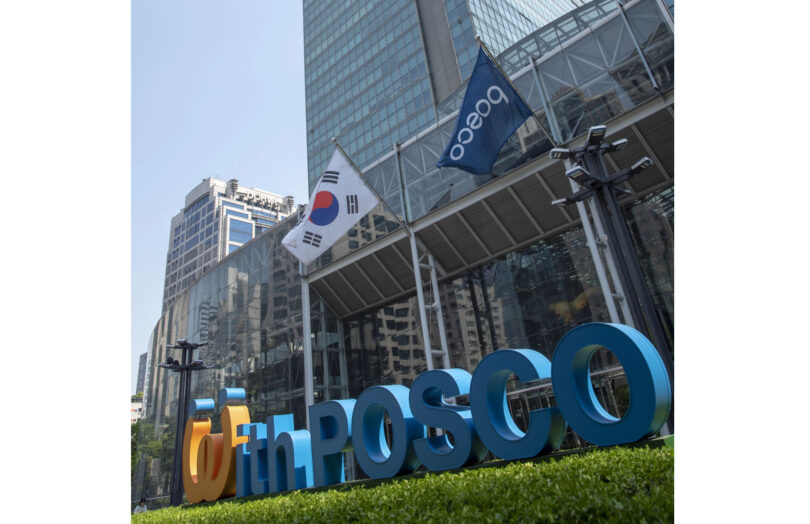
POSCO International, the large Korean trading company, announced that it ran a proof of concept (PoC) with LG CNS as technology partner to explore the use of blockchain and AI agents in trade finance. Based on the results, it plans to progress to a pilot later this year. A key goal of the trials is to better manage transactions and settlement between the group, its subsidiaries and their trading partners.
The trial was split into three tasks, with the first involving the use of a single ledger where all transactions are logged, rather than each individual subsidiary having its own records. The ledger is accessible to all subsidiaries and their trading partners. While this should help to reduce reconciliations, a shared ledger for purely intragroup purposes does not necessarily require a public blockchain like Injective, which was used in this case. A centralized solution could potentially achieve the same outcome. We would assume the details of the transactions were held offchain, otherwise this could expose trade secrets.
If you combine the shared records with tokenization for trade finance, the use of blockchain starts to make sense. The idea is to tokenize trade finance receivables as a real world asset (RWA), with Injective helping to manage the anti money laundering processes when assets are transferred. This is not a new concept, with several Chinese institutions selling securitized batches of blockchain-based trade finance transactions back in 2018.
Article continues …

Want the full story? Pro subscribers get complete articles, exclusive industry analysis, and early access to legislative updates that keep you ahead of the competition. Join the professionals who are choosing deeper insights over surface level news.